Best Toddler Cereal for Ages 1-3 (Updated 2026)
For toddler cereal, age and texture matter alongside sugar. This page separates the under-2 advice to avoid added sugar from a catalog shortlist capped at 3g per serving. A toddler tag or a low sugar tier is not a feeding-safety assessment; Original Cheerios has 1g added sugar per manufacturer serving, so it is not a zero-added-sugar cereal.
TL;DR
Compare 11 toddler-tagged catalog cereals with up to 3g recorded added sugar per serving. Under age 2, avoid added sugar; this shortlist can include products with added sugar. Check texture and preparation separately from the sugar tier.
Editorial sources checked . Product records have their own source dates below.
Quick comparison: top 10 by added sugar
Recorded values per serving; portions differ. Missing data is shown as unknown. Open a product for ingredients and source details.
Swipe across to compare sugar and tiers.
| Brand | Product | Serving | Added sugar | Total sugar | Tier | Source & recorded check |
|---|---|---|---|---|---|---|
| Once Upon a Farm | Banana Oatmeal Blend | Not recorded | 0g | 5g | No added sugar· B | Open Food FactsCheck date not recorded |
| Once Upon a Farm | Mango Baby Oatmeal Blend | 1 Pouch (91g) | 0g | 8g | No added sugar· B | Manually entered label data |
| Once Upon a Farm | Pear & Blueberry Baby Oatmeal Blend | 1 Pouch (91g) | 0g | 7g | No added sugar· B | Manually entered label data |
| Earth's Best | Whoel Grain Multi-Grain Cereal | Not recorded | 0g | 3g | No added sugar· B | Open Food FactsCheck date not recorded |
| Earth's Best | Whole Grain Oatmeal Cereal | Not recorded | 0g | 1g | No added sugar· B | Open Food FactsCheck date not recorded |
| Cascadian Farm | Purely O's Cereal | 1 1/2 cup | 1g | 1g | Low sugar· C | Open Food Facts |
| Cheerios | Toasted Whole Grain Oat Cereal | 1 1/2 cup (39g) | 1g | 2g | Low sugar· C | openfoodfacts-imageView label |
| Nature's Path | Peanut Butter Panda Puffs | Not recorded | 2.05g | 10g | Low sugar· C | Open Food FactsCheck date not recorded |
| Envirokidz | Gorilla Munch Corn Puffs Cereal | 0.75 cup (30 g) | 2.81g | 8g | Low sugar· C | Open Food Facts |
| Nature's Path | Millet Rice | Not recorded | 3g | 4g | Low sugar· C | Open Food FactsCheck date not recorded |
The List: 11 toddler cereals under 3g added sugar
- 1
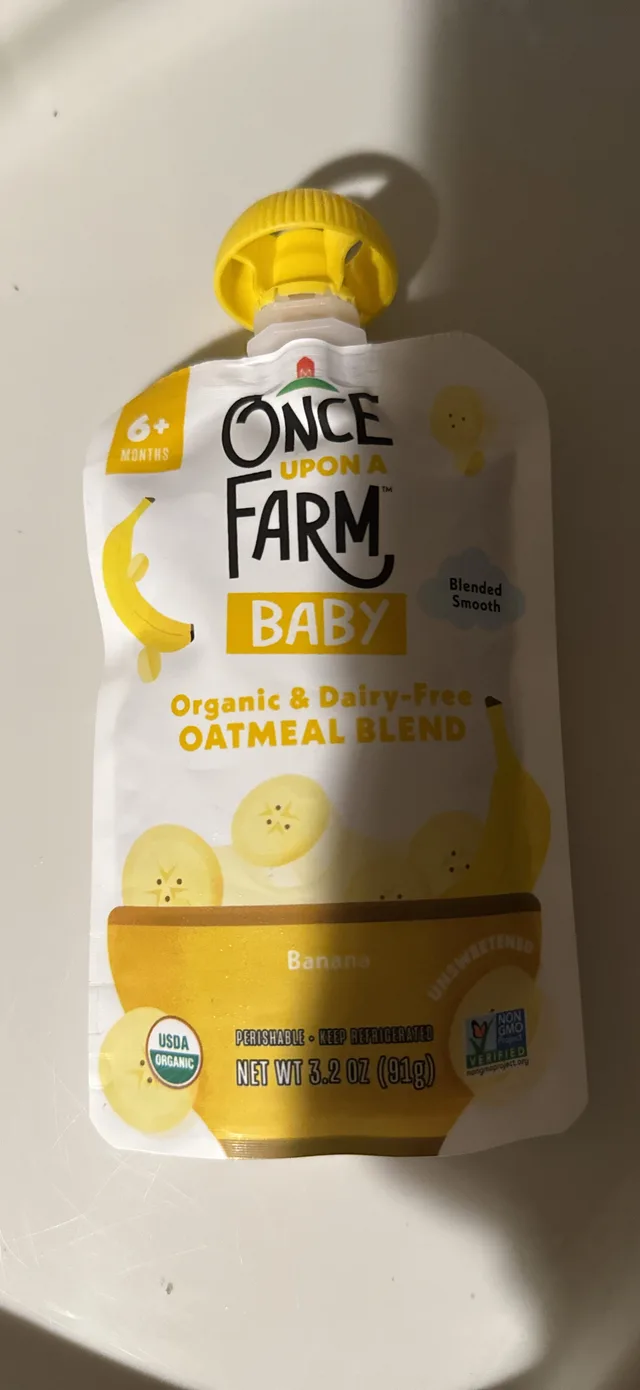 No added sugar· B
Once Upon a Farm
Banana Oatmeal Blend
0g added sugar
Cereal - 2
Once Upon a Farm
No added sugar· BOnce Upon a Farm
Mango Baby Oatmeal Blend
0g added sugar
Cereal - 3
Once Upon a Farm
No added sugar· BOnce Upon a Farm
Pear & Blueberry Baby Oatmeal Blend
0g added sugar
Cereal - 4
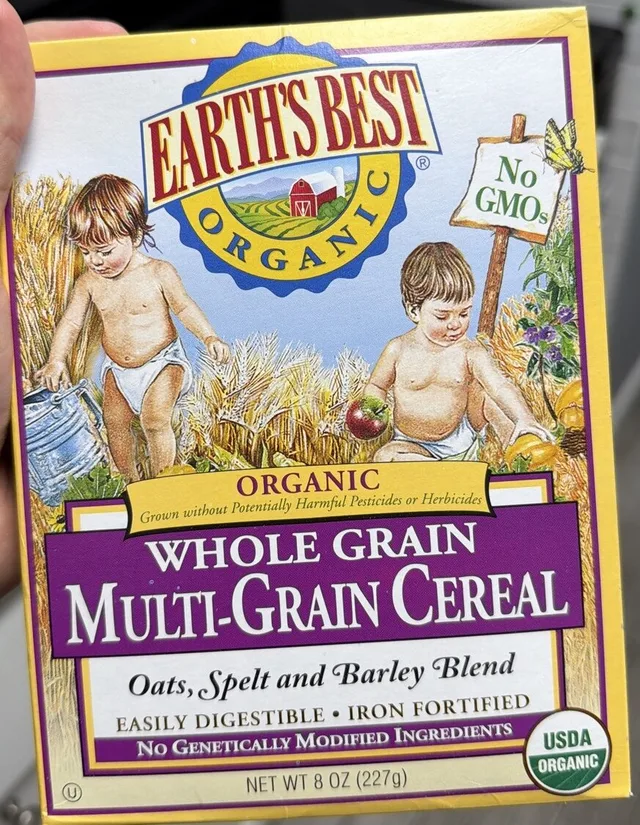 No added sugar· B
Earth's Best
Whoel Grain Multi-Grain Cereal
0g added sugar
Cereal - 5
 No added sugar· B
Earth's Best
Whole Grain Oatmeal Cereal
0g added sugar
Cereal - 6
 Low sugar· C
Cascadian Farm
Purely O's Cereal
1g added sugar
Cereal - 7
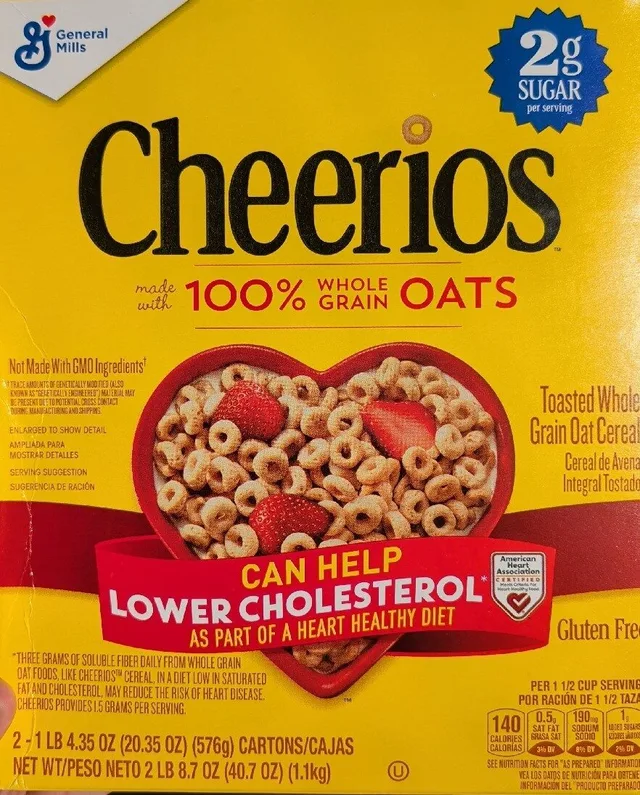 Low sugar· C
Cheerios
Toasted Whole Grain Oat Cereal
1g added sugar
Cereal - 8
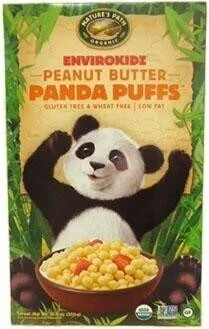 Low sugar· C
Nature's Path
Peanut Butter Panda Puffs
2.05g added sugar
Cereal - 9
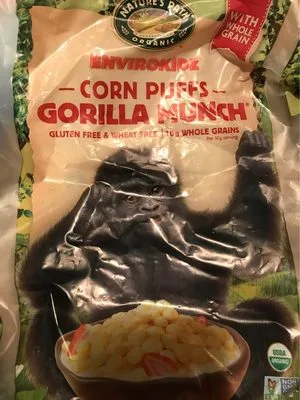 Low sugar· C
Envirokidz
Gorilla Munch Corn Puffs Cereal
2.81g added sugar
Cereal - 10
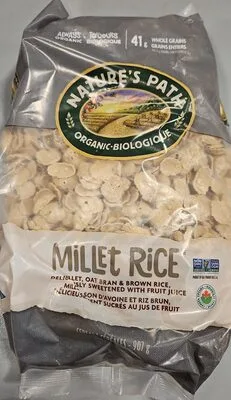 Low sugar· C
Nature's Path
Millet Rice
3g added sugar
Cereal - 11
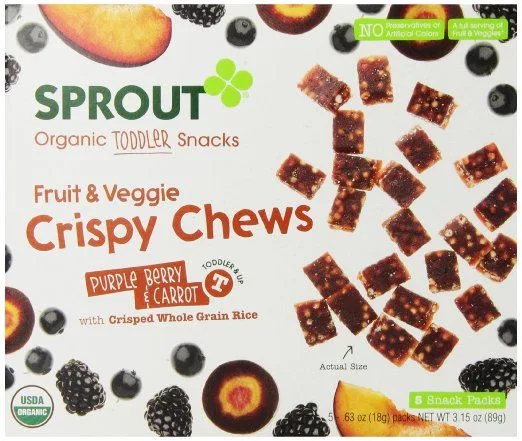 Low sugar· C
Sprout Organic
Organic Toddler Cereal Snacks, Purple, Berry & Carrot
3g total sugar
CerealOrganic
Why this list, and how we chose— expand
Ages 1–3 need more than a sugar ranking. This guide addresses toddler cereal questions: the difference between a 1-year-old and a 2- or 3-year-old, added sugar, label portions and preparation. The CDC advises avoiding added sugars for infants and young children. For children under 2, do not treat a cereal with 1–3g added sugar as meeting that advice. The AHA’s 25g recommendation for ages 2–18 covers a whole day of food and drinks, not a target or a cereal allowance.
What this shortlist means. The products below carry our catalog’s toddler tag and fall within a 3g-added-sugar cap, sorted by recorded added sugar. The tag is not pediatric approval. This list can include cereals with added sugar, and a low tier cannot tell you whether a dry, hard or sticky food is appropriate for your child. For strictly recorded 0g-added-sugar options, use the sugar-free cereal guide, then assess ingredients and texture separately. Low- and no-calorie sweeteners are also discouraged for young children in the CDC guidance; a 0g label alone is not enough.
Original Cheerios versus Honey Nut. The Original Cheerios label lists 1g added sugar per 1½ cups. The Honey Nut label lists 12g per cup. These manufacturer portions are comparison units, not recommended toddler portions. Original is lower in added sugar, but neither figure should be transferred to every Cheerios flavor. For a first cereal, assess preparation and feeding development separately from the sugar comparison.
Preparation comes before the product name. CDC choking guidance emphasizes preparing food to suit a child’s development and supervising eating. Hard pieces, whole nuts and tough textures need attention regardless of sugar. A cereal’s ring shape or “puffs” name does not establish that it dissolves safely. Plain oats cooked without a sweetener are an option to discuss when considering softer textures; do not assume that a dry shredded-wheat biscuit is suitable simply because it has no added sugar.
Catalog scope. We currently have 13 cereal records tagged for toddlers; 8% exceed 5g added sugar and the recorded average is 1.7g. Those are selected catalog records, not a survey of all toddler cereals or evidence that every item is marketed for toddlers. Open each product for its portion, ingredients and source date.
For older children. Our healthy cereal guide compares whole grains, fiber and protein with a broader 5g-added-sugar shortlist. Keep that general breakfast comparison separate from the age and preparation questions here.
Frequently asked questions
- What cereal should I give a 1 year old?
- For a 1-year-old, begin with the CDC advice to avoid added sugars and choose a texture appropriate to their development. Plain oats cooked without a sweetener are one possibility; dry cereal needs a separate choking-risk check. Original Cheerios contains added sugar, so it is not a strict zero-added-sugar choice.
- Is Cheerios OK for toddlers?
- Original Cheerios is lower in added sugar than Honey Nut: 1g per 1½ cups versus 12g per cup on the US labels. Those are not toddler serving recommendations. We cannot verify an AAP endorsement of Cheerios as a first cereal; use CDC preparation guidance and your child’s feeding abilities, especially under age 2.
- What is the healthiest breakfast cereal for a 2 year old?
- Compare plain cooked oats and lower-sugar cereal formulas, while checking texture and ingredients. Original Cheerios has 1g added sugar per manufacturer serving; plain oats cooked without sweeteners have no added sugar from those additions. Our 3g cap is a shopping filter, not a pediatric recommendation or a required portion.
- How much sugar can a toddler have per day?
- The CDC recommends avoiding added sugar for infants and young children. The AHA recommends no more than 25g daily for ages 2–18 and avoiding added sugar under 2. That is across all foods and drinks, not a goal to use up. Total sugar and added sugar are separate label values.
- Are toddler-branded cereals lower in sugar?
- Not necessarily. A toddler label does not establish low added sugar or feeding suitability. Compare the exact Nutrition Facts panel and ingredient list. Our toddler tag is a catalog classification and should not be read as a manufacturer age claim or a medical review.
- Is oatmeal better than cereal for toddlers?
- Plain cooked oatmeal lets you control sweeteners and texture; a flavored instant packet is a different formula. Quaker Old Fashioned Oats uses whole-grain rolled oats. Dry cereal may be more convenient, but compare its label and preparation requirements. Neither category is automatically the best choice for every toddler.
- What about organic toddler cereal?
- Organic is a separate shopping attribute from added sugar. Read the exact flavor’s Added Sugars line, sweetener ingredients and age/preparation instructions. A zero-added-sugar organic product still needs the same texture and allergen checks as any other toddler food.
- When can babies and toddlers start eating cereal?
- The CDC describes starting complementary foods around 6 months when developmentally ready, including a variety of fortified infant cereals rather than only rice cereal. Spoon-fed infant cereal and dry breakfast cereal are different forms. There is no universal birthday when every boxed cereal becomes suitable; preparation and feeding development matter.